
Bitola – The City of Consuls and Ataturk

Tikveš Wine Region – The Soul of Macedonian Wine
December 26, 2025
Epiphany in Ohrid
December 29, 2025Nestled in the southwestern part of Macedonia, Bitola is a city where history, diplomacy, and culture intertwine. Known as the City of Consuls, Bitola once stood as a major political, military, and cultural center of the Ottoman Empire—and remains deeply influential thanks to its architectural elegance and international legacy. Most notably, Bitola is the city where Mustafa Kemal Atatürk, the founder of modern Turkey, shaped his early military and intellectual path.raveler must visit.
A Diplomatic Capital of the Balkans
In the late 19th and early 20th centuries, Bitola was home to numerous foreign consulates, earning it its famous title. Diplomats, traders, officers, and scholars from across Europe passed through the city, bringing with them ideas, fashion, and culture. This period transformed Bitola into one of the most sophisticated cities in the Balkans. The legacy of that era is still visible today—grand facades, consular buildings, and wide boulevards reflect Bitola’s once-international status and European flair.
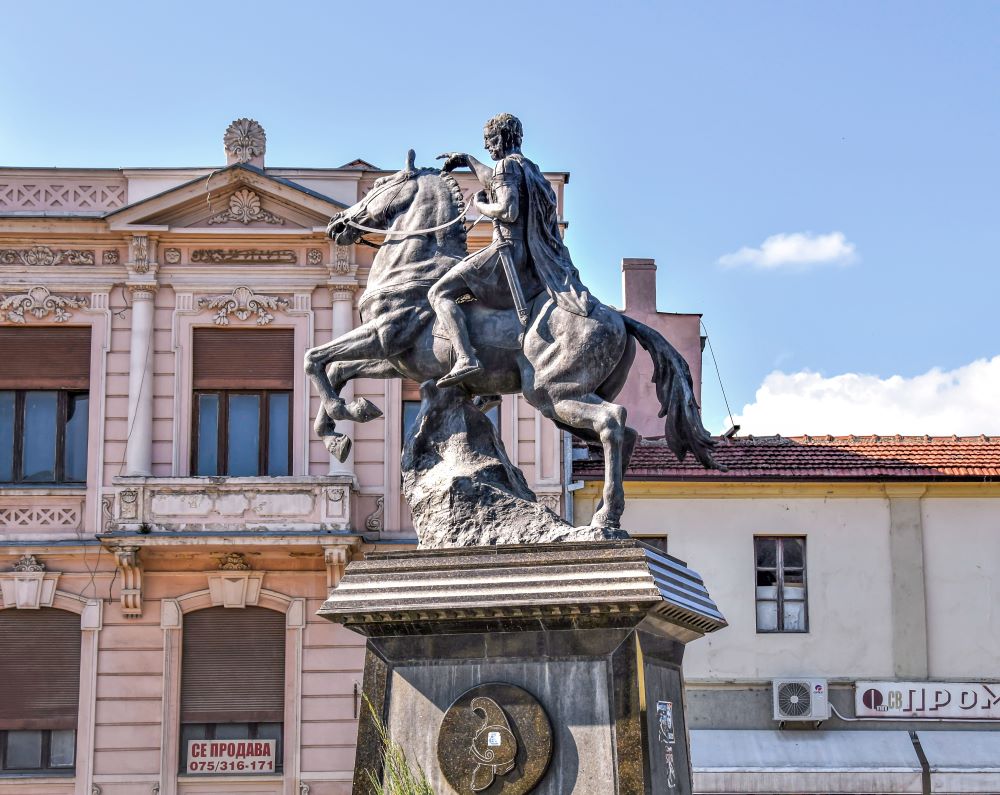
Philip II monument on the main square in Bitola
Shirok Sokak – The Soul of the City

Main pedestrian street in Bitola "Shirok Sokak"
Atatürk’s Years in Bitola
Bitola holds a special place in Turkish and world history as the city where Atatürk studied at the Military Academy. His time here played a key role in shaping his leadership, vision, and reformist ideas. Today, the Atatürk Memorial Room preserves authentic artifacts, letters, and photographs, attracting visitors from around the world and strengthening cultural ties between nations.
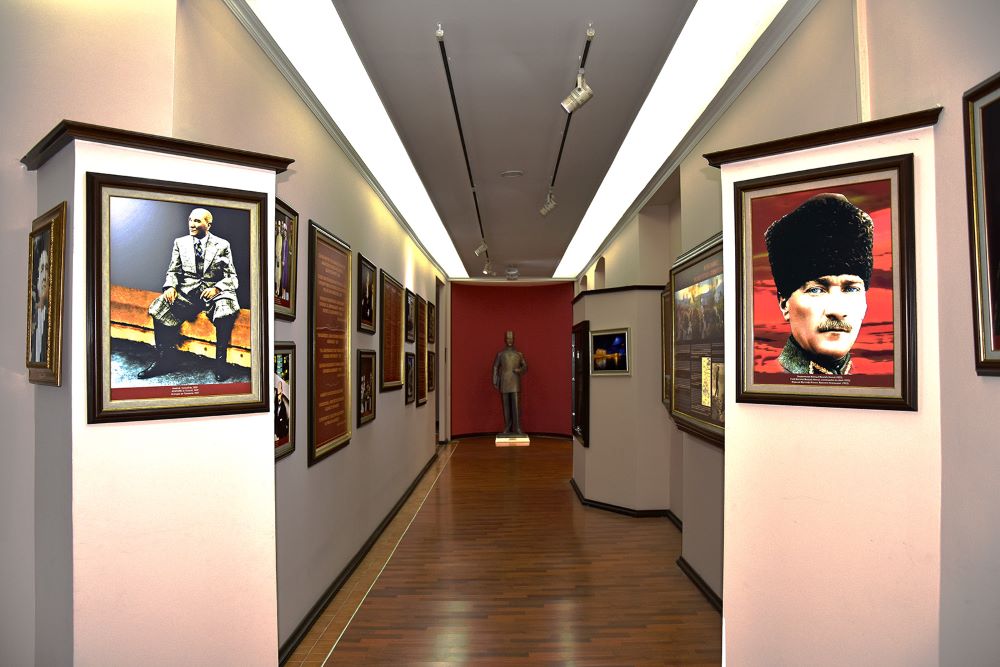
Kemal Ataturk room in Bitola Museum
From Antiquity to the Present
Just minutes from the city center lies Heraclea Lyncestis, an archaeological gem founded by Philip II of Macedon. Its remarkably preserved mosaics, Roman theater, and early Christian basilicas offer a breathtaking glimpse into ancient life and make Bitola a must-visit destination for history lovers.
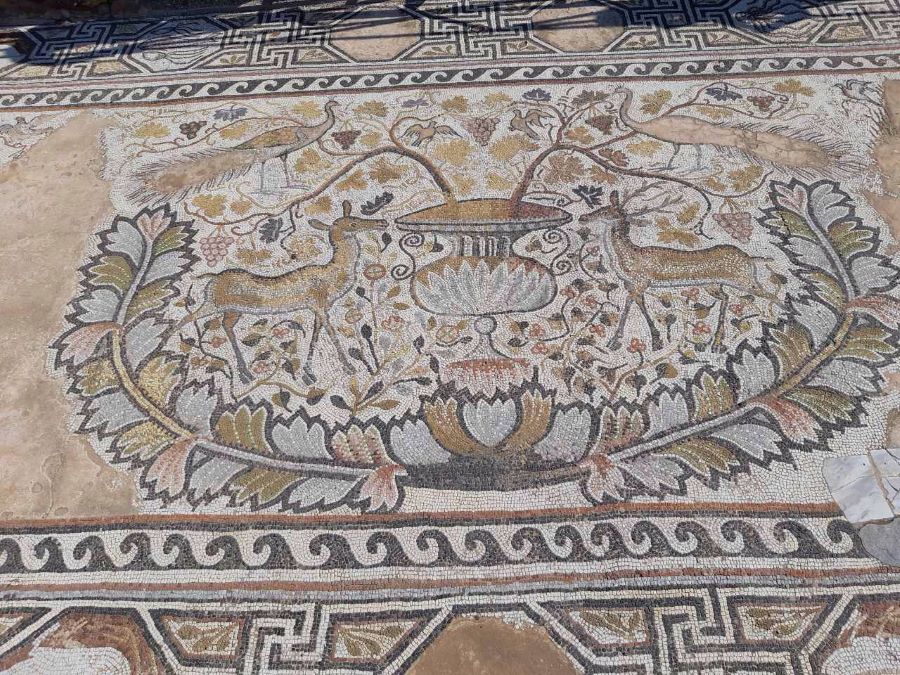
Mosaic floor in Heraclea Lincestis
Nature at the City’s Doorstep

Culture, Cuisine, and Living Traditions
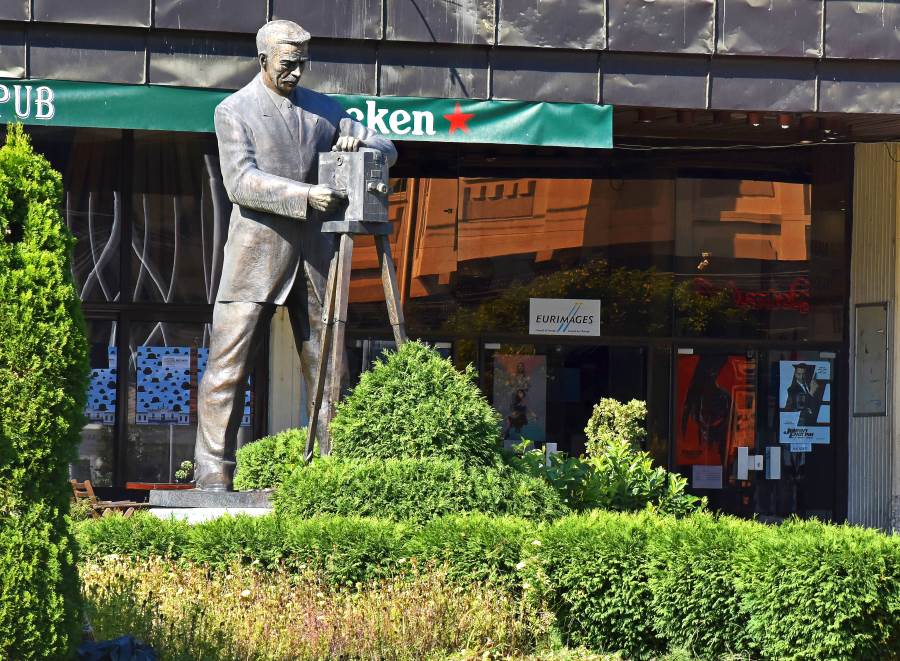
Monument of Milton Manaki